Traveling to the End of the World and Back: Antarctica
By: Tabitha Lipkin
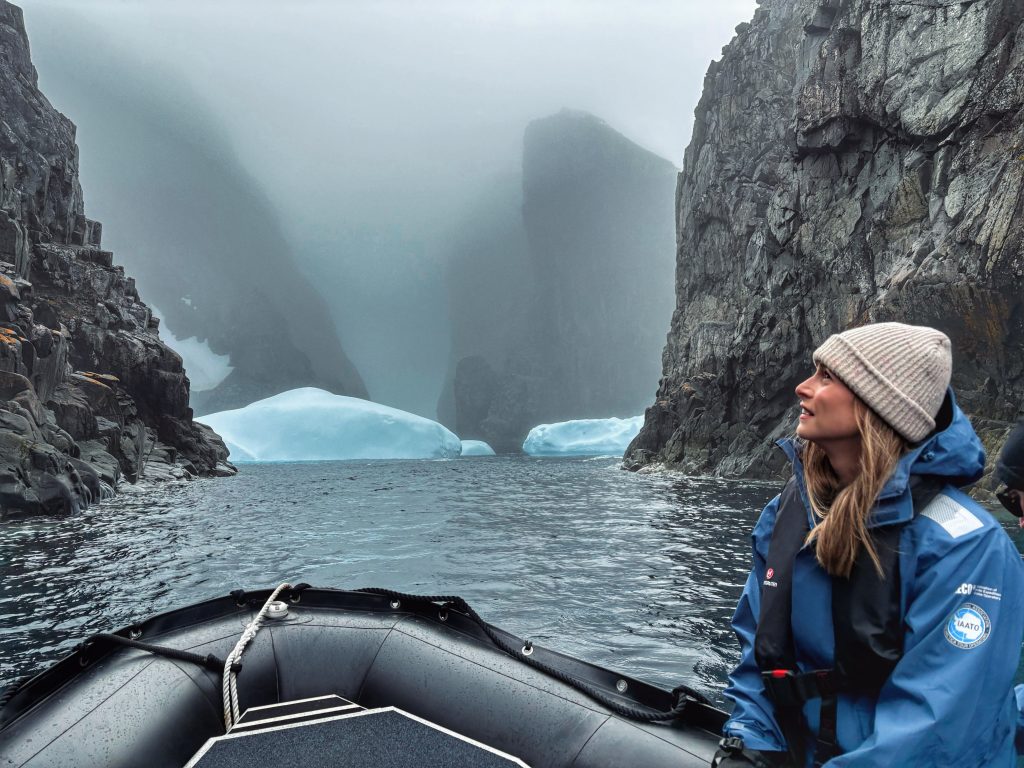
Antarctica is a bucket-list destination for many world travelers, often looked at as the “last continent”, and for me, a destination that has been a dream since I was very little. I used to think only scientists could make the voyage, little did I know that there’s a group of ships that take people just like you and me every season– and they’re doing it in the most sustainable way possible. This was my journey to the end of the world and back with HX Expeditions.
My voyage took place on what is known as the safest and most sustainable cruise ship in the world. The MS Fridtof Nansen is a hybrid-powered ship, one of the first two on the planet to make the crossing to Antarctica. The other? Its sister ship, the MS Roald Amundsen.
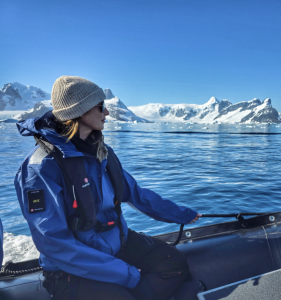
HX Expeditions leads the industry with the largest science program on board its ships, including the largest and newest most hands-on science facilities, partnerships, and programs. Last season, they donated nearly 1,900 cabins, supported more than 15 research projects, and contributed over 8,000 data submissions for third-party research. Guests can join in on citizen science programs led by Dr. Verena Miraldi, the cruise industry’s first chief scientist.
“We are very proud of our hybrid ships. The wish of HX to invest in becoming more and more sustainable is there. The problem with the next steps is that the technology is not there yet so we keep on exploring, but the the best we can do in the meantime until the technology is there, is to continue educating people, increasing awareness and trying to foster this mind shift in our guests so that they become more sustainable when they get back home.”
Not only were we able to take this trip with Dr. Miraldi, but also with Gebhardt Rainer, the CEO of HX Expeditions, and I got an exclusive chance to sit down with him and chat more about his vision for travel to Antarctica and the importance of making travel as sustainable as possible.
“We have a lot of experience in these areas, probably the longest experience [here]. We have 130 years of expedition experience. Not many companies can say that. But we also have people who have 20 to 30 years of experience going into Antarctica. And when you are in conditions like this, and it can change every day, it brings it home as to how important it is to have people who understand what they’re dealing with. And I think that’s one of the big advantages we have as we’re attracting people like that who are really interested in what we do because we firmly believe in sustainability, in science, in education. And as I always say to the team, every day we walk the talk, and that’s very important.”